The Voice-Driven RevOps Dashboard: 5 Signals That Reveal Pipeline Health
Most dashboards measure what customers do. A voice-driven RevOps dashboard captures the expression signals customers give off while they're deciding. That difference changes everything.
Every sales call, onboarding session, support conversation, or customer interview contains rich emotional data. Voice carries signals that text never captures: hesitation before answering, confidence in tone, pacing changes when price comes up, or subtle tension when objections appear. When these signals are captured and quantified, they become an entirely new operating layer for revenue teams.
A modern RevOps dashboard can be built entirely from voice analysis.
Engagement Stability
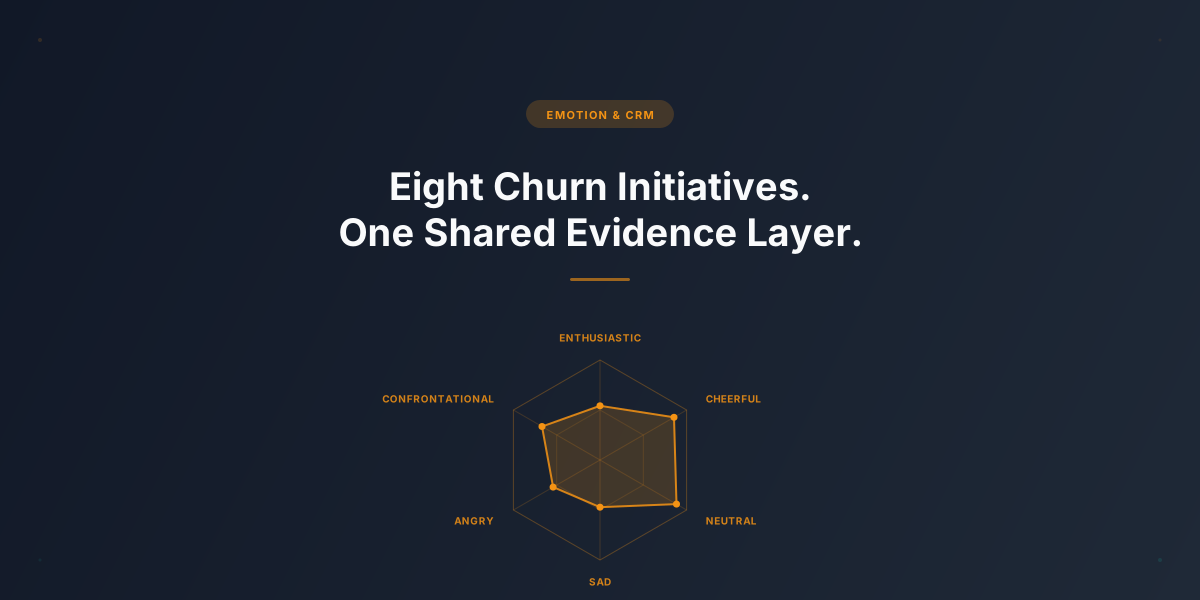
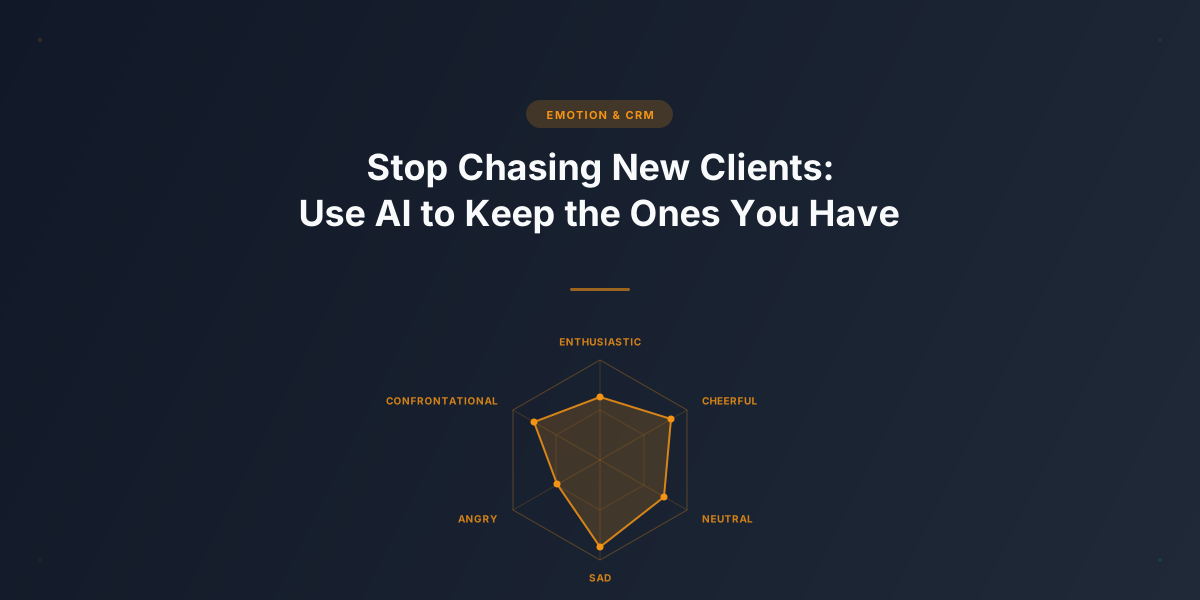
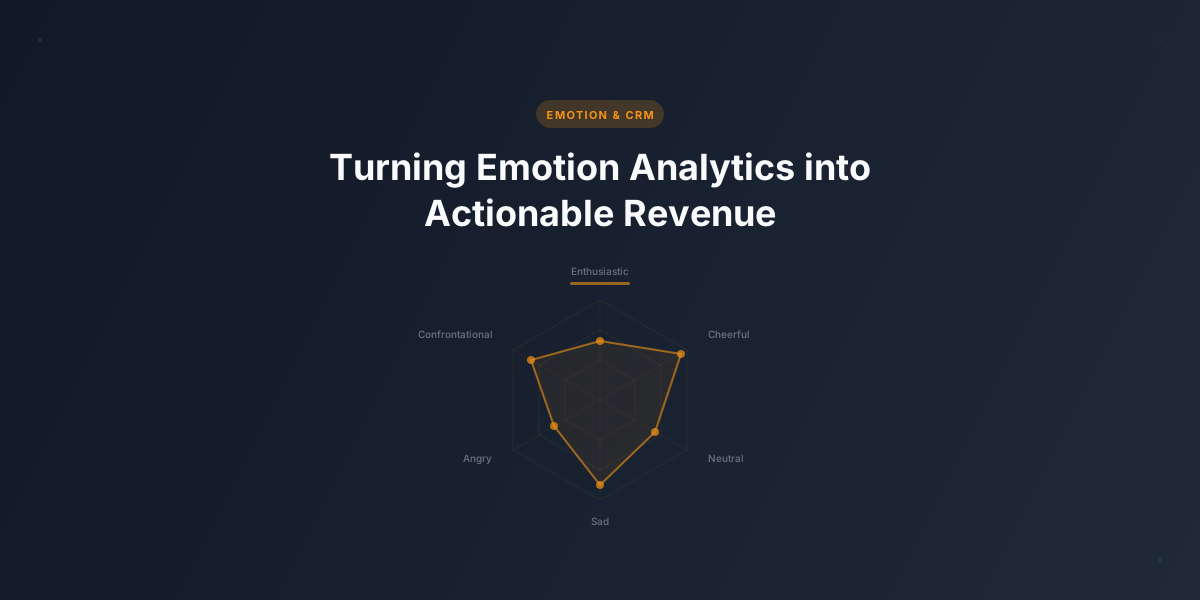
Voice patterns reveal whether a conversation flows naturally or becomes strained. Balanced turn-taking, steady speaking pace, and responsive dialogue indicate high engagement. When speech slows, interruptions rise, or long pauses appear, engagement is slipping. Plotting engagement stability across calls shows which deals are healthy and which ones are drifting.
Enthusiasm Tracking
Strong enthusiasm appears in tone certainty, forward-looking language, and high energy. When prospects say things like "we will roll this out" or "our team will use this," their voice typically becomes more decisive and fluid. An enthusiasm intensity score predicts which opportunities are likely to advance stages.
Sadness Tracking
Low energy, flat delivery, and emotional withdrawal before answering key questions, especially around budget, integration, or timing, are early warning signals. When sadness intensity spikes across calls in the same deal, the dashboard flags risk. Sales leaders immediately know which opportunities require intervention before they stall.
Emotional Tension
Vocal strain, elevated pitch variability, and speaking overlap often occur when objections surface. Monitoring tension across deal stages shows where friction appears in the buying journey. If tension consistently spikes during pricing conversations, the problem may be packaging rather than product.
Anger Signals
Anger appears when customers sharpen their tone, express frustration directly, or become confrontational about unmet expectations. Voice analysis detects these patterns earlier than CRM activity logs ever could.
The Payoff
When these voice-derived signals feed a RevOps dashboard, pipeline visibility changes dramatically. Instead of waiting for deals to slip stages, leaders see emotional trajectory in real time.
Revenue teams stop managing spreadsheets and start managing human signals.
And in revenue growth, the earliest signals usually win.
Learn how ReadingMinds detects these signals: ReadingMinds Expression Fingerprint or see a real report.
About the author

Stu Sjouwerman
CEO and Co-Founder, ReadingMinds.AI
Stu founded KnowBe4 in 2010 and grew it into the world's largest security-awareness training platform before taking it public on the NASDAQ in 2021 and its subsequent acquisition by Vista Equity Partners in 2023. He co-founded ReadingMinds with Marcio Castilho and Alin Irimie, the same leadership team that built KnowBe4. Author of the USA Today bestseller Agent-Powered Growth and a regular contributor to Forbes Tech Council and Greenbook on AI, agentic marketing, and customer intelligence.
Know what your customers feel. Not just what they say.
ReadingMinds conducts AI voice interviews that classify emotion type and intensity. Try a 3-minute Live Test Drive with Emma.
Start 3‑Minute Live Test Drive