Model Confidence Isn’t Reality. And That’s the Problem With AI Decisions
AI systems are getting better at one thing very quickly: telling you how confident they are.
Across the industry, the conversation is shifting from raw intelligence to calibrated outputs. Models now don’t just generate answers; they estimate how sure they are. Enterprises are starting to gate actions based on confidence thresholds. If the system is confident enough, it proceeds. If not, it pauses.
On the surface, this feels like progress.
But there’s a fundamental flaw.
Confidence is internal. Reality is external.
An AI model can be 95% confident in its reasoning and still be completely wrong about what matters most: the human on the other end. It can generate a perfectly logical follow-up message, delivered at exactly the wrong moment. It can recommend a next step that aligns with historical patterns but ignores a subtle shift in tone or hesitation that signals the customer is pulling back.
This is where the gap is widening.
The industry is optimizing for how sure the model is. But what actually determines outcomes is what the human is feeling in that moment. Confidence scores, reasoning traces, and explanations can make bad decisions look more convincing, but they don’t make them more correct.
In human interactions, correctness isn’t about logic alone. It’s about timing, trust, and emotional readiness.
This creates a new layer of opportunity.
Instead of asking, "How confident is the model?" the better question is: "Is the human ready for this action?" That’s not something a probability score can answer. It requires real-time understanding of emotional signals: confidence shifts, hesitation, engagement, and disengagement.
At ReadingMinds, we focus on that layer. Not internal confidence, but external reality. Not how sure the system is, but whether the moment is right.
Because in the end, decisions aren’t judged by how confident they felt when they were made. They’re judged by the outcomes they create.
And outcomes are shaped by people, not probabilities.
About the author
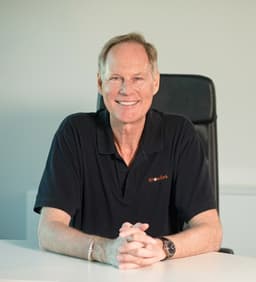
Stu Sjouwerman
CEO and Co-Founder, ReadingMinds.AI
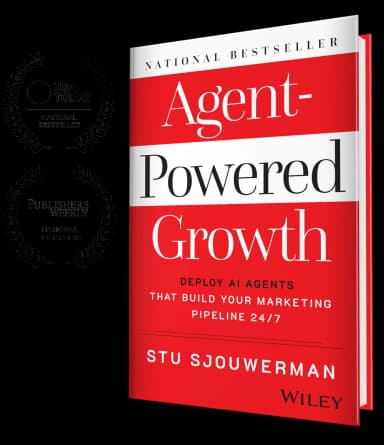
Stu founded KnowBe4 in 2010 and grew it into the world's largest security-awareness training platform before taking it public on the NASDAQ in 2021 and its subsequent acquisition by Vista Equity Partners in 2023. He co-founded ReadingMinds with Marcio Castilho and Alin Irimie, the same leadership team that built KnowBe4. Author of the USA Today bestseller Agent-Powered Growth and a regular contributor to Forbes Tech Council and Greenbook on AI, agentic marketing, and customer intelligence.
Know what your customers feel. Not just what they say.
ReadingMinds conducts AI voice interviews that classify emotion type and intensity. Try a 3-minute Live Test Drive with Emma.
Start 3‑Minute Live Test Drive