Simulation Predicts Outcomes. We Read Reality.
AI agents are getting smarter. Today’s systems don’t just act; they increasingly simulate outcomes before acting. They model scenarios, evaluate consequences, and choose the next step based on what is most likely to happen.
This is progress. But it’s also a trap.
Simulation answers a specific question: What usually happens next? It relies on patterns, historical data, and probabilities. In predictable systems, that works well. But human interactions are not predictable systems. They shift moment by moment, often in ways that no model has seen before.
This is where simulation breaks down.
A system might predict that a follow-up email will increase response rates. Statistically, it’s correct. But what if the buyer just lost confidence after a pricing discussion? What if hesitation crept into their tone? What if silence, not speed, is the right move?
Simulation will still say: act. Reality says: wait.
This gap is widening as AI systems improve their reasoning. Models are getting better at thinking ahead, but not at understanding what is happening right now with a real human.
That distinction matters.
Because the highest-value decisions are not about what is generally true. They are about what is true in this exact moment. Human behavior is dynamic, contextual, and often subtle. Confidence can rise or fall in seconds. Trust can strengthen or erode without explicit signals in the words themselves.
The systems that win will not be the ones that simulate best. They will be the ones that perceive best.
At ReadingMinds, we focus on that layer. Instead of predicting outcomes, we extract real-time emotional signals: confidence shifts, hesitation patterns, changes in tone. We translate them into actionable intelligence. Not what might happen. What is happening.
Simulation predicts outcomes. We read reality.
And in human interactions, reality is what determines the result.
About the author
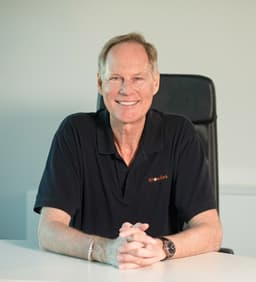
Stu Sjouwerman
CEO and Co-Founder, ReadingMinds.AI
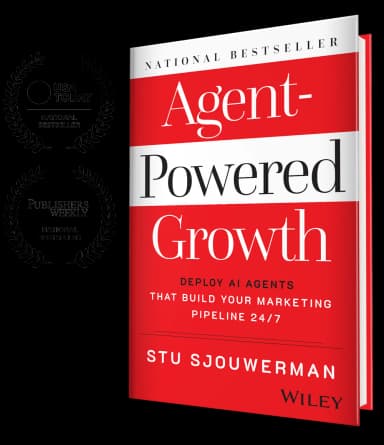
Stu founded KnowBe4 in 2010 and grew it into the world's largest security-awareness training platform before taking it public on the NASDAQ in 2021 and its subsequent acquisition by Vista Equity Partners in 2023. He co-founded ReadingMinds with Marcio Castilho and Alin Irimie, the same leadership team that built KnowBe4. Author of the USA Today bestseller Agent-Powered Growth and a regular contributor to Forbes Tech Council and Greenbook on AI, agentic marketing, and customer intelligence.
Know what your customers feel. Not just what they say.
ReadingMinds conducts AI voice interviews that classify emotion type and intensity. Try a 3-minute Live Test Drive with Emma.
Start 3‑Minute Live Test Drive