Voice AI Can Hear Emotion but Still Make the Wrong Decision
Today's voice AI is remarkably natural. Conversations flow smoothly, interruptions feel human, and many systems can even pick up on fear, sarcasm, anger, or enthusiasm when asked directly.
So why do they still make poor decisions?
The Recognition Gap
Recent research has highlighted an important limitation. Several leading real-time voice systems successfully identified expression cues during conversations, yet failed to use those signals when making decisions. Instead, they relied primarily on the spoken words.
That distinction matters.
Imagine a customer quietly saying, "Everything's fine." The transcript sounds positive. The voice, however, reveals hesitation, disappointment, or sadness.
Humans instinctively hear the difference.
Many AI systems do not.
Recognition Is Not Reasoning
Recognizing expression is only the first step. The greater challenge is ensuring that those signals become part of the reasoning process rather than remaining an isolated observation.
This is why ReadingMinds treats expression analysis as an independent evidence layer instead of assuming a large language model will naturally interpret vocal cues correctly.
Two Complementary Forms Of Evidence
Every interview produces two complementary forms of evidence.
The transcript captures what the participant said.
The expression layer measures how it was expressed using six consistent categories: Sad, Angry, Confrontational, Neutral, Cheerful, and Enthusiastic. Each is scored on an intensity scale from 1 to 9. These labels describe how a response is expressed in the conversation, not what a person privately feels.
Those signals are evaluated alongside participant quotes, study context, and supporting evidence before recommendations are generated.
Read more about how we handle expression signals, retention, and governance in our Trust & Compliance Center.
Sounding Empathetic vs Producing Evidence
The result is a system that does not simply sound empathetic.
It produces evidence that decision-makers can trust.
As voice AI becomes a standard capability across the industry, the ability to measure, preserve, and explain expression signals will become increasingly valuable.
Hearing expression is impressive.
Using it responsibly is what creates better business decisions.
Take the Live Test Drive and see what expression-as-evidence looks like in three minutes.
About the author

Stu Sjouwerman
CEO and Co-Founder, ReadingMinds.AI
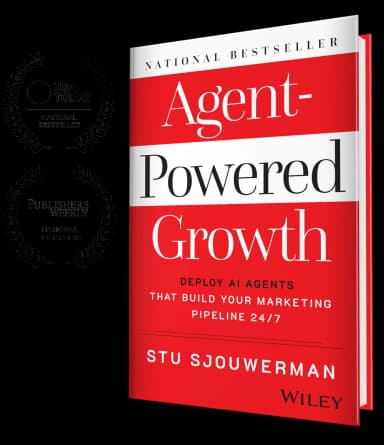
Stu founded KnowBe4 in 2010 and grew it into the world's largest security-awareness training platform before taking it public on the NASDAQ in 2021 and its subsequent acquisition by Vista Equity Partners in 2023. He co-founded ReadingMinds with Marcio Castilho and Alin Irimie, the same leadership team that built KnowBe4. Author of the USA Today bestseller Agent-Powered Growth and a regular contributor to Forbes Tech Council and Greenbook on AI, agentic marketing, and customer intelligence.
Know what your customers feel. Not just what they say.
ReadingMinds conducts AI voice interviews that classify emotion type and intensity. Try a 3-minute Live Test Drive with Emma.
Start 3‑Minute Live Test Drive