Your AI Understands the Business. Can It Justify the Decision?
Enterprise AI needs more than access to documents.
In a post on X, Glean CEO Arvind Jain describes operating intelligence as the combination of individual judgment, managerial leadership, team coordination, and process understanding. His point: useful AI must understand how a company makes decisions and gets work done.
That framework captures something essential. But it needs a foundation beneath it: customer evidence.
Understanding how a decision gets made does not establish whether that decision is justified.
The CRM Is an Unverified Record, Not Proof
Imagine a CRM entry that says a deal was lost on price.
An AI agent retrieves that entry, identifies similar losses, involves the right people, and recommends a discount campaign. Every layer of operating intelligence works beautifully.
Except the premise is wrong.
In a direct interview, the buyer explains that implementation risk killed the deal. “Too expensive” was shorthand for “we weren't confident this would work.”
The company now risks discounting a product when it should be addressing onboarding and implementation concerns.
Faster execution can accelerate a bad decision just as effectively as a good one.
Hear the difference. Take a short Live Test Drive, put your own hardest customer question to it, and listen to how a voice interview pushes past the first answer instead of filing it.
Put Evidence Beneath the Entire Stack
Documents, tickets, and CRM records remain useful. But they can contain assumptions, incomplete accounts, and outdated interpretations. CRM data is notoriously dirty.
Customer evidence gives those records something to be checked against: direct interviews, traceable quotes, study context, and documented provenance. Expression signals add context to how responses were expressed. That signal layer is built around pseudonymous transcripts rather than identity, which we document in our Trust & Compliance Center.
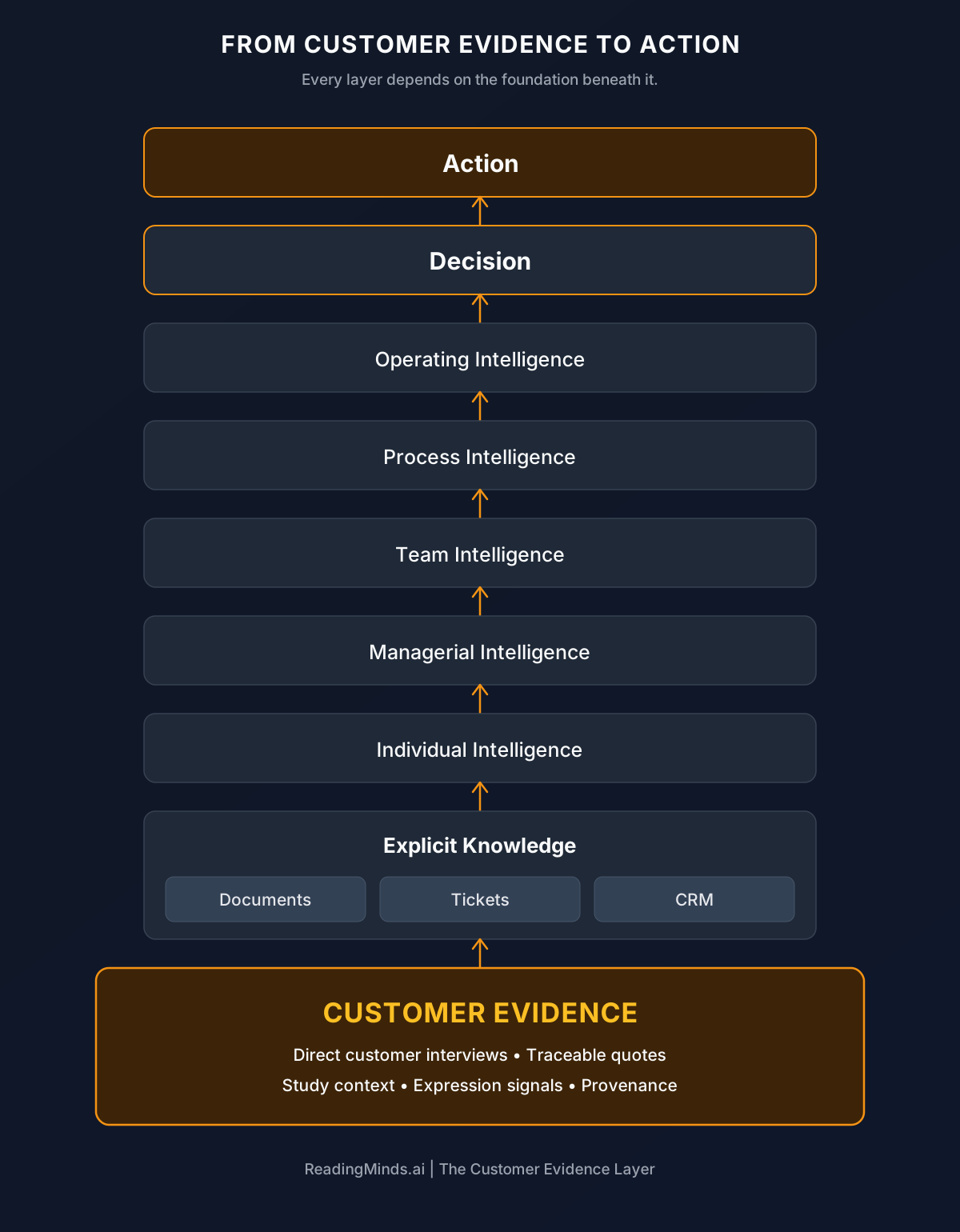
That foundation supports every intelligence layer, then the decision, then the action.
At the decision step, AI should be able to answer:
- What customer evidence supports this conclusion?
- Is it current and relevant to this customer group?
- What contradicts it?
- Is it sufficient to justify the proposed action?
Evidence does not guarantee a correct decision. It makes the reasoning grounded and inspectable, and it exposes gaps before they turn into business consequences.
Understanding Must Lead to Verification
The ReadingMinds Customer Evidence Layer is built around that principle: connect customer conversations to evidence that people and AI agents can inspect before acting.
Jain's framework explains how organizational knowledge becomes action. Customer evidence supplies a necessary check along the way.
Before AI acts on what your company knows, it should verify what your customers actually say.
Where to Go Next
For the procurement-grade version of this argument, our whitepaper The Decision Evidence Layer covers the five principles, the five-stage pipeline from capture to audit, the evidence schema, an Evidence Pack for security review, and a 12-point adoption checklist. It is free, with no form in front of it.
For the architecture view of the same idea, read Why Customer Evidence Is the Missing Layer in the AI Agent Economy.
Or go straight at it with a Live Test Drive.
Your company's knowledge tells an agent what it believes. Only your customers can tell it whether that belief is true.
About the author

Stu Sjouwerman
CEO and Co-Founder, ReadingMinds.AI
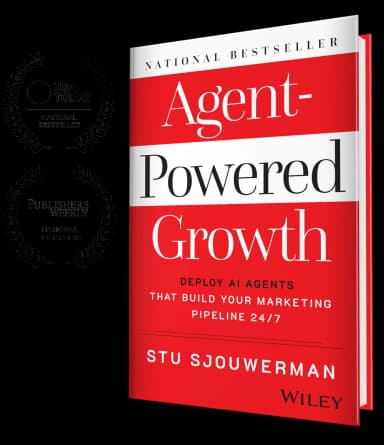
Stu founded KnowBe4 in 2010 and grew it into the world's largest security-awareness training platform before taking it public on the NASDAQ in 2021 and its subsequent acquisition by Vista Equity Partners in 2023. He co-founded ReadingMinds with Marcio Castilho and Alin Irimie, the same leadership team that built KnowBe4. Author of the USA Today bestseller Agent-Powered Growth and a regular contributor to Forbes Tech Council and Greenbook on AI, agentic marketing, and customer intelligence.
Know what your customers feel. Not just what they say.
ReadingMinds conducts AI voice interviews that classify emotion type and intensity. Try a 3-minute Live Test Drive with Emma.
Start 3‑Minute Live Test Drive